

ABNA24 - More than a year and a half after Israel launched its “Iron Wall” military operation in the northern West Bank, more than 33,000 Palestinians remain displaced from the Jenin, Tulkarem and Nur Shams refugee camps, with no clear date for their return home.
In a new report issued on Friday, the UN High Commissioner for Human Rights said Israeli forces forcibly displaced residents of the three camps during January and February 2025 and continue to prevent them from returning, in violation of international law.
The UN report places the displacement within a broader context of direct military operations, pointing to the destruction of hundreds of homes, damage to roads and infrastructure, cuts to water and electricity, the obstruction of humanitarian aid and house-to-house searches that pushed residents to leave.
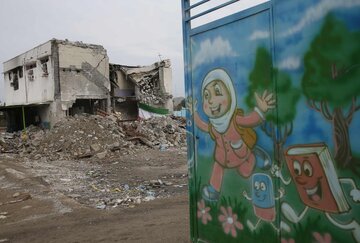
By October 2025, 52% of structures in Jenin camp had been destroyed or damaged, compared with 48% in Nur Shams and 36% in Tulkarem camp, according to a UN damage assessment.
The impact of displacement does not stop at the loss of homes. For tens of thousands of refugees, the camps that once formed the center of family, social, work and educational life have become closed areas they cannot return to.
The UN said prolonged displacement has created growing shelter needs, as many families have been forced to rent homes in surrounding cities and towns despite weak incomes and rising living costs.
In May, the UN Office for the Coordination of Humanitarian Affairs (OCHA) documented the case of a displaced family from Jenin camp that had to rent a home after leaving its house, while the head of the family lost his job following the displacement.
OCHA said most displaced people from Jenin camp had turned to the private rental market because of the limited availability of official shelter centers, making housing costs one of the heaviest recurring burdens on displaced families.
The consequences of displacement are not limited to the displaced families themselves. They have also extended to the cities and towns that received large numbers of displaced people, adding new pressure on housing markets, services and job opportunities.
The new UN report carries a warning that goes beyond describing a humanitarian crisis. It concluded that the large-scale, prolonged and systematic displacement of more than 33,000 Palestinians raises serious concerns over the crime against humanity of forcible transfer.
The office said the use of airstrikes, armored bulldozers and controlled demolitions to make the camps uninhabitable, while forcing residents to flee and preventing them from returning, appears to amount to collective punishment and raises concerns over ethnic cleansing.
UN High Commissioner for Human Rights Volker Türk said the way the operation was carried out indicates that its aim was to “expel as many” Palestinians as possible and clear space for more Israeli settlements. He called on Israel to halt any efforts aimed at displacing more Palestinians.
The displacement of northern West Bank camps is no longer a temporary crisis linked to a passing military operation. It has become a prolonged social and economic reality reshaping the lives of tens of thousands of Palestinians. Every month that passes without return means more rent, unemployment, family separation and reliance on aid, while the possibility of return erodes as homes and infrastructure continue to be destroyed.
With the camps remaining empty and residents barred from returning, the issue of the displaced is shifting from an urgent humanitarian question to a broader political and legal one: Will this displacement remain temporary, or will it become a permanent reality that redraws the demographic and urban map of the northern West Bank?
/129


Your Comment